
Subtotal ₹0.00

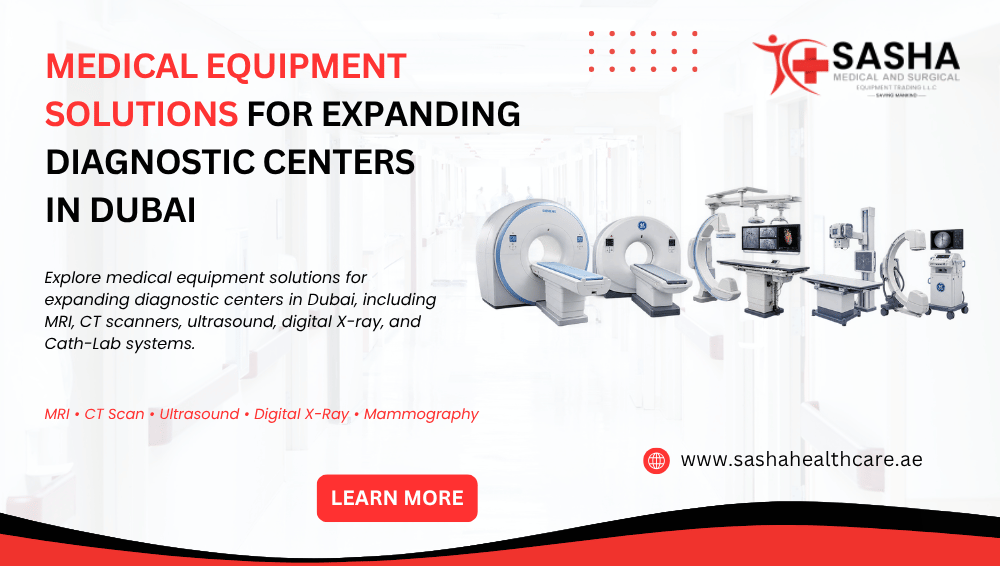
Expanding a diagnostic center in Dubai requires careful planning, the right medical equipment, suitable infrastructure and reliable technical support. As healthcare facilities expand their diagnostic services, investing in advanced imaging systems such as MRI machines, CT scanners, ultrasound machines and digital X-ray systems can help them address a wider range of clinical requirements.
Choosing the right medical equipment for diagnostic centers in Dubai is an important part of expansion planning. Healthcare providers must consider equipment specifications, installation requirements, patient volume, operational costs and long-term maintenance before making procurement decisions.
Sasha Healthcare LLC provides medical equipment solutions for hospitals, diagnostic centers and healthcare facilities in Dubai and across the UAE. From medical imaging equipment to surgical and critical care solutions, selecting equipment that matches each facility’s clinical and operational needs can support the development of modern diagnostic services.
Table of Contents
Why Diagnostic Centers in Dubai Are Expanding?
Dubai’s healthcare sector includes hospitals, specialty clinics, independent diagnostic centers and advanced medical facilities. As healthcare providers develop their services, diagnostic centers may need additional equipment to accommodate clinical requirements, improve workflow and offer a broader range of examinations.
Several factors can influence diagnostic center expansion:
- Increasing diagnostic requirements: Healthcare facilities may need additional imaging capacity to support patient referrals and clinical services.
- Advanced diagnostic capabilities: Modern imaging systems provide different examination options for specialized clinical applications.
- Operational efficiency: Appropriate equipment configurations and digital workflows can help facilities manage patient appointments and examination processes.
- Service diversification: Diagnostic centers may expand from general imaging to specialized services such as cardiac imaging, advanced ultrasound or molecular imaging.
- Long-term development: Investing in scalable equipment can help facilities plan for future operational requirements.
Before expanding, diagnostic center owners should assess their existing equipment, available space, staffing requirements and expected patient volumes. A structured equipment procurement plan can help align capital investment with the center’s intended services.
Essential Medical Equipment for Diagnostic Centers:
Selecting suitable diagnostic equipment is one of the most important decisions when expanding a healthcare facility. The right combination depends on the center’s specialties, clinical requirements, budget and infrastructure.
1. MRI Machines
MRI machines are essential for diagnostic centers offering advanced soft-tissue and neurological imaging. They support examinations of the brain, spine, joints, muscles and several internal organs.
Diagnostic centers can evaluate 1.5 Tesla and 3 Tesla MRI systems according to clinical applications, image quality requirements, patient throughput, installation conditions and available budget.
When selecting an MRI machine, consider magnetic shielding, room layout, cooling requirements, software capabilities, service availability and compatibility with existing imaging workflows.
2. CT Scan Machines
CT scanners produce cross-sectional images that support the assessment of different anatomical structures and clinical conditions. They are commonly used for neurological, chest, abdominal, trauma and other diagnostic examinations.
Diagnostic centers can choose from different CT configurations, including multi-slice systems, based on scan requirements, patient volume and clinical services.
Important considerations include detector configuration, image reconstruction software, radiation dose management, scanning protocols and maintenance support.
3. Ultrasound Machines
Ultrasound systems support a wide range of diagnostic examinations, including abdominal, obstetric, gynecological, vascular and cardiac imaging.
Depending on the center’s clinical services, facilities may require general-purpose ultrasound systems, color Doppler, 3D or 4D imaging, or dedicated echocardiography equipment.
Portability, transducer options, image processing, ease of use and integration with digital reporting systems are important selection factors.
4. Digital X-Ray Systems
Digital radiography systems are widely used for chest, bone and other routine imaging examinations. Digital detectors support electronic image acquisition and can be integrated into a facility’s imaging workflow.
Diagnostic centers should assess detector size, image quality, patient positioning, workstation functionality, radiation protection and integration with PACS.
Depending on patient needs and available space, centers may consider fixed or mobile digital X-ray configurations.
5. PET-CT Scanners
PET-CT combines functional imaging with anatomical imaging to support specialized diagnostic applications, including oncology and selected neurological and cardiac examinations.
Introducing PET-CT requires extensive planning, including radiation safety, specialized facility design, regulatory approvals, qualified staff, radiopharmaceutical logistics and ongoing operational support.
Diagnostic centers should evaluate clinical demand and infrastructure feasibility before investing in this advanced imaging technology.
6. Mammography Systems
Mammography equipment supports breast imaging and screening services. Diagnostic centers planning to introduce or expand breast imaging should assess image quality, positioning features, detector technology and workflow requirements.
Equipment selection should also consider applicable radiation safety requirements, trained personnel and the availability of clinical reporting services.
How to Choose the Right Medical Equipment?
Choosing medical equipment for diagnostic centers in Dubai involves more than comparing purchase prices. Healthcare providers should assess the equipment’s clinical capabilities, operating requirements and long-term suitability.
1. Assess Clinical Requirements
Identify the diagnostic services the center plans to offer. Consider the types of examinations, referring specialties, patient demographics and expected patient volume before selecting equipment.
2. Compare Technical Specifications
Review imaging capabilities, detector technology, software, scan protocols, image processing and available upgrades. Compare equipment based on the center’s intended clinical applications rather than specifications alone.
3. Evaluate Infrastructure
Check the availability of suitable rooms, electrical supply, cooling, ventilation, radiation protection and any specialized installation requirements. Infrastructure planning should take place before equipment procurement is finalized.
4. Calculate Total Cost of Ownership
Consider equipment acquisition, transportation, installation, software, training, consumables, maintenance and potential upgrades. The initial purchase price alone does not reflect the full investment.
5. Review Technical Support
Confirm the availability of maintenance services, spare parts, warranty coverage, software support and qualified technical assistance. Reliable support can help facilities manage equipment downtime and plan preventive maintenance.
New vs. Refurbished Medical Equipment
Diagnostic centers expanding in Dubai may consider both new and refurbished medical equipment, depending on their clinical requirements, financial resources and operational plans.
Refurbished equipment can offer an alternative to purchasing new systems, but buyers should review the equipment’s condition, service history, software compatibility and warranty terms before making a decision.
| Comparison Factor | New Equipment | Refurbished Equipment |
|---|---|---|
| Initial investment | Generally higher | May be lower |
| Equipment condition | New from manufacturer | Depends on refurbishment and condition |
| Technology | May offer newer features | Depends on model and upgrade history |
| Warranty | Manufacturer or supplier terms | Depends on supplier agreement |
| Spare parts | Depends on model and availability | Requires verification |
| Maintenance | Based on service requirements | Depends on age, condition and usage |
| Suitability | New installations and specific clinical needs | Budget-conscious expansion where requirements are met |
When purchasing refurbished MRI machines, CT scanners or ultrasound systems, diagnostic centers should request equipment history, inspection records, details of replaced components, software information and documented testing. An independent technical assessment may also be appropriate for major investments.
The final decision should be based on clinical suitability, safety, regulatory compliance, lifecycle costs and access to technical support.
Installation and Infrastructure Planning
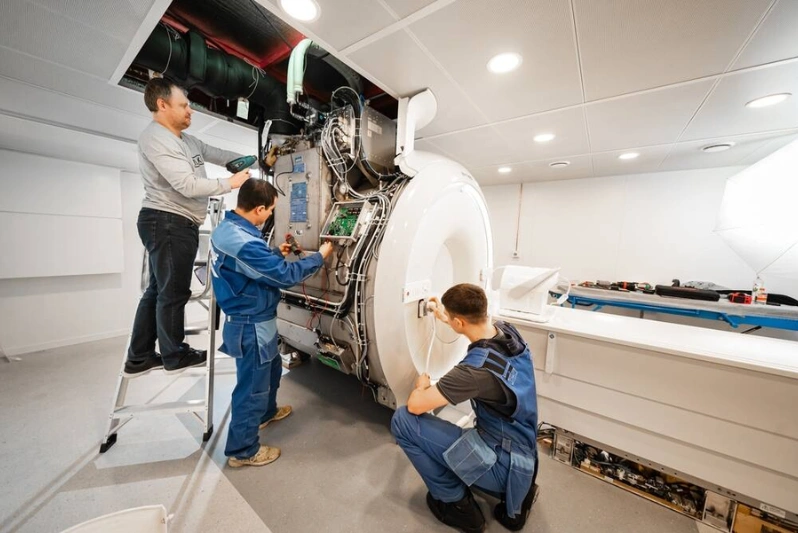
Medical equipment installation is a major part of diagnostic center expansion. Advanced imaging systems require carefully prepared environments to operate safely and according to their technical specifications.
Key infrastructure requirements include:
- Electrical systems: Appropriate electrical capacity, stable power supply and backup arrangements where required.
- HVAC and cooling: Temperature and humidity control according to the equipment manufacturer’s specifications.
- Room design: Adequate space for equipment, patient movement, staff access and maintenance.
- Radiation protection: Suitable shielding and safety measures for equipment that uses ionizing radiation.
- MRI safety: Appropriate magnetic shielding, access control, safety zones and screening procedures.
- Digital infrastructure: Reliable networking, PACS, RIS and compatible reporting systems.
- Installation and commissioning: Equipment positioning, system testing, calibration and required acceptance checks.
Diagnostic centers in Dubai should also confirm applicable approvals and facility requirements with the relevant UAE and Dubai healthcare and radiation safety authorities before installation.
Early coordination between the equipment supplier, facility designer, clinical team, technical personnel and relevant authorities can help identify potential installation issues before they affect the project schedule.
Medical Equipment Budget Planning
A structured budget allows diagnostic centers to evaluate equipment investments and prepare for the costs of operating their expanded services.
The total project budget should cover more than the equipment itself. It should include installation, infrastructure modifications, software, training, maintenance and other operating expenses.
| Budget Component | What to Consider |
|---|---|
| Equipment procurement | Brand, model, configuration and condition |
| Transportation | Delivery, handling and specialized logistics |
| Installation | Positioning, assembly and commissioning |
| Infrastructure | Electrical, cooling, shielding and room preparation |
| Software | Imaging applications, licenses and integration |
| Training | Clinical and technical user training |
| Maintenance | Preventive maintenance and service agreements |
| Operational costs | Consumables, utilities and staffing |
The cost of medical equipment in Dubai varies significantly depending on manufacturer, model, technology, configuration, equipment condition and service coverage. Diagnostic centers should request detailed quotations and compare the complete scope of supply.
A phased procurement strategy may also be considered when a facility plans to expand services over time. This allows equipment investments to be aligned with infrastructure readiness and clinical demand.
Benefits of Working with a Medical Equipment Supplier in Dubai
Working with an experienced medical equipment supplier can help diagnostic centers coordinate procurement, installation and after-sales requirements. A supplier familiar with healthcare equipment can assist buyers in understanding technical specifications and identifying systems that match their intended applications.
Important supplier services may include:
- Equipment selection: Guidance on MRI, CT, ultrasound, X-ray and other diagnostic systems according to clinical requirements.
- Procurement support: Assistance with equipment specifications, quotations, configurations and delivery planning.
- Installation coordination: Support with site readiness, equipment delivery, installation and commissioning arrangements.
- Warranty and maintenance: Information about warranty coverage, preventive maintenance and technical service options.
- Equipment upgrades: Assistance in evaluating software upgrades, replacement systems and additional diagnostic capabilities.
- After-sales support: Access to technical assistance, troubleshooting and service coordination, subject to the agreed service arrangement.
For diagnostic centers in Dubai, selecting a supplier should involve reviewing relevant experience, product availability, technical capabilities, service coverage and contractual terms. Clear communication throughout procurement and installation can help healthcare facilities coordinate their expansion projects.
Common Challenges During Diagnostic Center Expansion
Expanding a diagnostic center can involve operational, financial and technical challenges. Identifying these issues early allows facility managers to include appropriate measures in their project plans.
Limited Installation Space
Large imaging systems may require specialized rooms and access routes. Conducting a site assessment and reviewing equipment dimensions before procurement can help avoid space-related complications.
High Initial Investment
MRI, CT and PET-CT systems can involve substantial capital expenditure. Comparing suitable equipment configurations, evaluating refurbished options and planning phased expansion may help facilities manage their investment.
Equipment Downtime
Unexpected technical issues can interrupt diagnostic operations. Preventive maintenance, suitable service agreements and a clear technical escalation process can help facilities prepare for equipment interruptions.
Staff Training
New imaging technologies may require specific training for radiographers, radiologists, biomedical engineers and other relevant staff. Training should be incorporated into the installation and operational planning process.
Digital System Integration
Connecting new equipment with existing PACS, RIS, HIS and reporting systems requires technical planning. Confirming compatibility and conducting integration tests can help maintain consistent workflows.
Future Trends in Diagnostic Imaging
Medical imaging technology continues to develop, offering diagnostic centers new ways to manage image acquisition, interpretation and operational workflows.
Some developments relevant to diagnostic centers in Dubai include:
- AI-assisted imaging: Software applications can assist with selected image analysis, workflow prioritization and image processing, depending on the system and clinical application.
- Advanced imaging technologies: Improvements in detector design, reconstruction methods and imaging software can provide additional capabilities for specific examinations.
- Digital connectivity: PACS, RIS and compatible healthcare information systems can support image access, reporting and information sharing.
- Workflow automation: Digital scheduling, automated image transfer and structured reporting tools can help coordinate diagnostic operations.
- Equipment upgrades: Software updates and compatible hardware upgrades may extend the capabilities of existing systems, subject to manufacturer support.
Diagnostic centers should evaluate emerging technologies based on clinical validation, regulatory status, compatibility, costs and the practical needs of their healthcare teams. Selecting equipment that supports appropriate upgrades can also be a consideration in long-term expansion planning.
Why Choose Sasha Healthcare LLC for Medical Equipment Solutions in Dubai
Sasha Healthcare LLC supports hospitals, diagnostic centers and healthcare facilities with medical equipment solutions designed around their equipment and operational requirements.
For diagnostic centers planning to expand their imaging services, selecting appropriate equipment and arranging the necessary technical support are important parts of the procurement process.
Sasha Healthcare LLC offers medical equipment solutions across several categories, including:
- MRI machines and advanced imaging equipment
- CT scan machines and diagnostic imaging systems
- Ultrasound machines and color Doppler systems
- Digital X-ray equipment
- Cath-Lab and specialized medical equipment
- New and refurbished equipment options, where available
- Equipment installation coordination and technical support, according to the agreed scope
Whether a diagnostic center is establishing a new imaging department, upgrading an existing scanner or planning to introduce additional diagnostic services, equipment selection should be based on clinical needs, infrastructure readiness and long-term operational considerations.
Healthcare facilities can contact Sasha Healthcare LLC to discuss their equipment requirements, compare suitable configurations and explore medical equipment solutions for projects in Dubai and across the UAE.
Conclusion
Expanding a diagnostic center requires a well-planned approach to equipment selection, infrastructure, procurement and long-term maintenance. Investing in suitable MRI machines, CT scanners, ultrasound systems, digital X-ray equipment and other diagnostic technologies can help healthcare facilities develop their clinical capabilities in line with their service requirements.
When evaluating medical equipment for diagnostic centers in Dubai, healthcare providers should consider not only the initial investment but also equipment performance, installation requirements, staff training, maintenance and future upgrade options.
Working with a reliable medical equipment supplier can help coordinate the different stages of expansion, from equipment selection to installation and technical support. Sasha Healthcare LLC provides medical equipment solutions for diagnostic centers, hospitals and healthcare facilities in Dubai and across the UAE.
Contact Sasha Healthcare LLC to discuss your diagnostic equipment requirements and explore suitable solutions for your facility’s expansion plans.
What medical equipment is required to expand a diagnostic center in Dubai?
The equipment required depends on the diagnostic services offered. Common systems include MRI machines, CT scanners, ultrasound machines and digital X-ray systems. Specialized facilities may also require mammography, PET-CT or other advanced diagnostic equipment.
How much does it cost to equip a diagnostic center in Dubai?
The cost depends on the equipment brand, model, configuration, condition and number of systems required. Additional expenses include installation, infrastructure, software, training and maintenance. Diagnostic centers should obtain detailed quotations based on their specific project requirements.
Which MRI machine is suitable for a growing diagnostic center?
A 1.5 Tesla MRI system may meet the requirements of many general diagnostic centers, while a 3 Tesla MRI system may be considered for facilities requiring particular advanced imaging capabilities. The decision should depend on clinical applications, patient volume, infrastructure and budget.
How can diagnostic centers choose a reliable medical equipment supplier in Dubai?
Diagnostic centers should assess a supplier’s relevant equipment experience, product specifications, availability, installation coordination, warranty terms, technical support and maintenance arrangements. Comparing detailed quotations and service agreements can help facilities make informed procurement decisions.
Comments are closed