
Subtotal ₹0.00

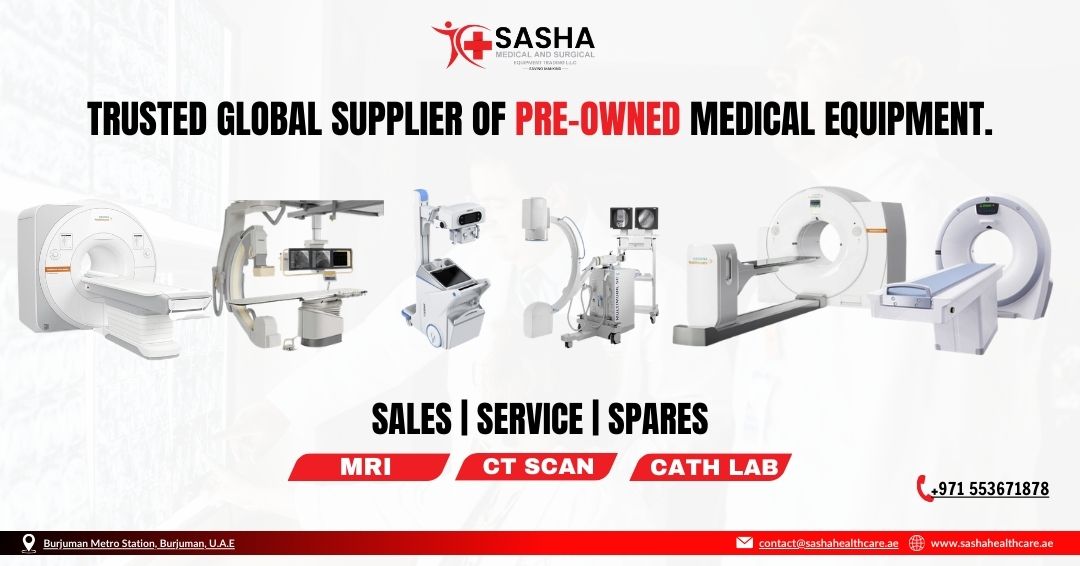
Dubai has become one of the fastest-growing healthcare markets in the Middle East. Hospitals, clinics, diagnostic centers, and research facilities are constantly investing in advanced medical technologies to improve patient care. Because of this rapid growth, the demand for reliable medical equipment Dubai suppliers has increased significantly.
Healthcare professionals require accurate diagnostic tools, advanced imaging systems, and reliable patient-care devices to maintain global medical standards. Whether it is a hospital purchasing a new MRI system or a home-care provider looking for mobility aids, finding the right medical equipment supplier in Dubai is essential.
Dubai’s healthcare industry continues to expand due to government investment, medical tourism, and increasing awareness about advanced treatment options. As a result, the medical equipment market in Dubai has become one of the most dynamic sectors in the region.
This comprehensive guide explains everything you need to know about medical equipment in Dubai, including the types of equipment available, how to choose reliable suppliers, and why Dubai has become a hub for healthcare technology.
Why Dubai Is a Leading Market for Medical Equipment
Dubai has positioned itself as a regional leader in healthcare innovation. The city’s strategic location, modern infrastructure, and supportive government policies make it an ideal environment for medical technology growth.
Several key factors contribute to the expansion of medical equipment Dubai suppliers.
Strong Healthcare Infrastructure
Dubai has built a network of world-class hospitals and specialized clinics. These healthcare facilities rely on advanced diagnostic and treatment technologies to provide high-quality patient care. As a result, hospitals require a steady supply of modern medical equipment.
Government Healthcare Initiatives
The UAE government continues to invest heavily in healthcare. Initiatives such as the Dubai Health Strategy focus on improving medical services, adopting advanced technologies, and strengthening healthcare infrastructure.
Growth in Medical Tourism
Dubai attracts thousands of international patients every year for treatments such as orthopedic surgery, cosmetic procedures, and advanced diagnostics. To support medical tourism, healthcare providers invest in state-of-the-art medical equipment.
Global Distribution Hub
Dubai’s strategic location between Europe, Asia, and Africa makes it an ideal distribution center for medical devices. Many global manufacturers partner with local distributors to supply equipment across the Middle East.
Because of these advantages, Dubai continues to attract healthcare investments and remains a key market for medical equipment suppliers.
Types of Medical Equipment Available in Dubai
Healthcare providers rely on different types of medical devices depending on their specialization. The medical equipment Dubai market offers a wide range of products designed for hospitals, laboratories, clinics, and home-care settings.
1. Diagnostic Imaging Equipment
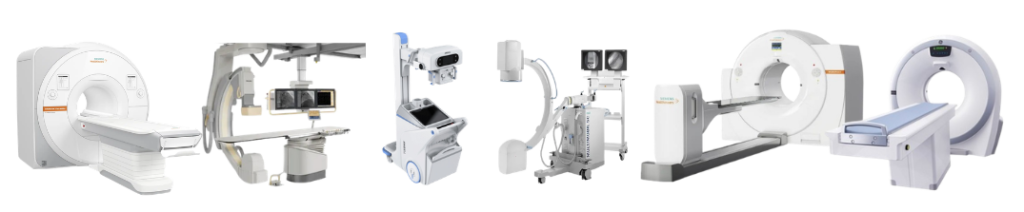
Diagnostic imaging equipment plays a crucial role in detecting diseases and monitoring patient conditions. These devices allow doctors to view internal structures of the body without surgery.
Common imaging equipment includes:
- X-ray machines
- Portable X-ray systems
- MRI scanners
- CT scanners
- Ultrasound machines
- Digital radiography systems
These imaging technologies help doctors diagnose conditions such as fractures, tumors, infections, and neurological disorders.
2. Laboratory Equipment
Laboratory testing is essential for medical diagnosis, research, and pharmaceutical development. Laboratories in Dubai use advanced equipment to analyze blood samples, tissue specimens, and other biological materials.
Examples of laboratory equipment include:
- Hematology analyzers
- Biochemistry analyzers
- PCR machines
- Centrifuges
- Microscopes
- Blood gas analyzers
These devices enable healthcare professionals to identify diseases quickly and accurately.
3. Surgical Equipment
Operating rooms require specialized tools and equipment to perform complex medical procedures. Surgical equipment must meet strict safety and sterilization standards.
Common surgical devices include:
- Surgical tables
- Anesthesia machines
- Endoscopy systems
- Electrosurgical units
- Sterilization equipment
- Surgical instruments
Reliable surgical equipment ensures precision and patient safety during procedures.
4. Patient Monitoring Equipment
Patient monitoring devices track vital signs and help doctors observe patient health in real time. These devices are commonly used in intensive care units, emergency departments, and recovery rooms.
Examples include:
- ECG machines
- Patient monitors
- Pulse oximeters
- Blood pressure monitors
- Infusion pumps
These devices help healthcare professionals respond quickly to changes in patient condition.
5. Home Healthcare Equipment
Home healthcare is becoming increasingly popular in Dubai as patients prefer treatment in the comfort of their homes. This trend has created demand for portable and easy-to-use medical equipment.
Common home healthcare devices include:
- Oxygen concentrators
- Wheelchairs and mobility aids
- CPAP and BiPAP machines
- Hospital beds
- Nebulizers
Home medical equipment allows patients to manage chronic conditions and recover comfortably outside hospitals.
Benefits of Purchasing Medical Equipment in Dubai
Healthcare providers choose Dubai for sourcing medical equipment because the city offers several advantages.
Access to Global Medical Brands
Suppliers in Dubai distribute equipment from internationally recognized manufacturers known for quality and reliability.
Efficient Logistics and Delivery
Dubai has one of the world’s most advanced logistics networks, enabling fast delivery of medical equipment across the UAE and neighboring countries.
Regulatory Compliance
Medical equipment sold in Dubai must comply with UAE Ministry of Health regulations and international standards such as CE and FDA certifications.
Technical Support and Maintenance
Professional suppliers offer installation services, staff training, and ongoing maintenance support to ensure equipment functions correctly.
These benefits make Dubai a reliable destination for purchasing healthcare technology.
How to Choose the Best Medical Equipment Supplier in Dubai
Selecting the right supplier is critical for ensuring equipment quality and long-term performance. When searching for medical equipment Dubai suppliers, healthcare providers should consider several factors.
Certification and Compliance
Ensure the supplier offers products that meet UAE regulatory standards and international certifications.
Wide Product Range
A reputable supplier should provide a comprehensive selection of equipment, including diagnostic devices, laboratory instruments, and surgical tools.
Professional Installation
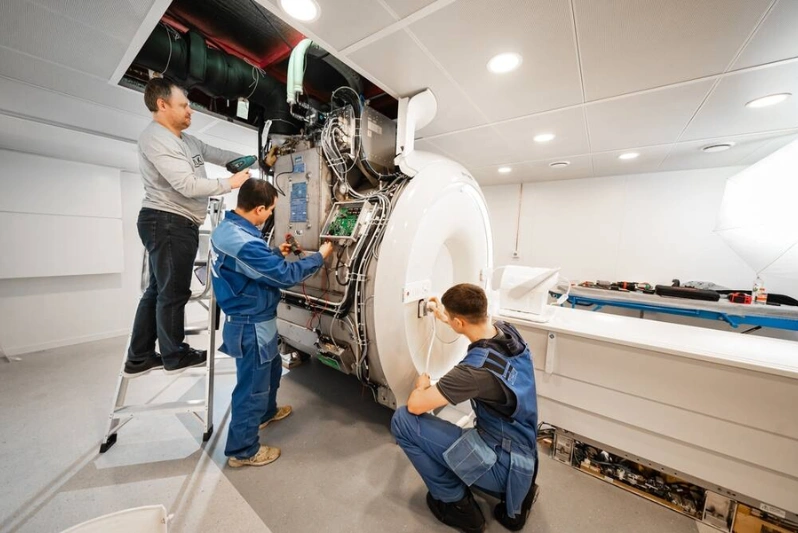
Medical equipment often requires professional installation and calibration. Reliable suppliers provide experienced technicians to handle these tasks.
Maintenance and Service
Preventive maintenance helps extend equipment lifespan and avoid unexpected breakdowns. Choose suppliers that offer long-term service contracts.
Industry Experience
Suppliers with extensive experience in the healthcare industry are more likely to understand the needs of hospitals and clinics.
Medical Equipment Market Trends in Dubai
The healthcare technology sector in Dubai continues to evolve as new innovations emerge.
Several trends are shaping the future of medical equipments Dubai suppliers.
Artificial Intelligence in Healthcare
AI-powered imaging systems help doctors analyze medical images more accurately and detect diseases earlier.
Portable Medical Devices
Portable diagnostic equipment allows healthcare professionals to provide services in remote locations and home settings.
Telemedicine Integration
Medical devices are increasingly connected to telemedicine platforms, allowing doctors to monitor patients remotely.
Smart Hospital Technology
Hospitals in Dubai are adopting digital systems that integrate medical equipment with electronic health records.
These innovations are transforming healthcare delivery and improving patient outcomes.
Future of Medical Equipment in Dubai
Dubai’s healthcare sector is expected to grow significantly over the next decade. Investments in research, technology, and infrastructure will drive demand for advanced medical equipment.
Future developments may include:
- AI-assisted diagnostic imaging
- Robotic surgery systems
- Smart patient monitoring devices
- Portable and wearable medical technology
As healthcare technology continues to evolve, Dubai will remain a major center for medical innovation in the Middle East.
Conclusion
The demand for medical equipment Dubai suppliers continues to rise as healthcare providers invest in advanced technologies to improve patient care. From diagnostic imaging systems to home healthcare devices, Dubai offers access to high-quality medical equipment from leading global manufacturers.
Choosing the right supplier ensures that hospitals, clinics, and healthcare professionals receive reliable equipment, professional installation, and long-term technical support.
With its advanced healthcare infrastructure and strong regulatory environment, Dubai remains one of the most important markets for medical equipment in the region.
1. Where can I buy medical equipment in Dubai?
Medical equipment can be purchased from licensed suppliers and distributors that specialize in healthcare technology.
2. What types of medical equipment are available in Dubai?
Suppliers offer diagnostic imaging machines, laboratory equipment, surgical tools, patient monitoring devices, and home healthcare products.
3. Are medical devices regulated in Dubai?
Yes. All medical equipment must comply with UAE Ministry of Health regulations and international safety standards.
4. Do suppliers provide installation and training?
Most professional medical equipment suppliers offer installation services and training for medical staff.
5. Can small clinics purchase advanced medical equipment in Dubai?
Yes. Many suppliers provide equipment suitable for small clinics as well as large hospitals.
Comments are closed